






The Ninth IASTED International Conference on
Computer Graphics and Imaging
CGIM 2007
February 13 – 15, 2007
Innsbruck, Austria
KEYNOTE SPEAKER
Advances and Challenges in Level-of-Detail Rendering Techniques
Abstract
Objectives
Timeline
Tutorial Materials
Target Audience
Background Knowledge Expected of the Participants
Biography of the Keynote Speaker
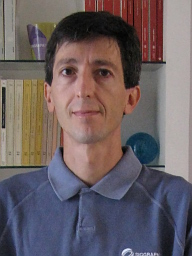
Dr. Paolo Cignoni is a Senior Research Scientist with CNR-ISTI. He received a Ph.D. Degree in Computer Science at the University of Pisa in 1998. He has been awarded "Best Young Researcher" by the Eurographics association in 2004. His research interests cover Computer Graphics fields ranging from Level of Detail and out-of-core techniques for visualization and processing of huge 3D datasets, to 3D scanning data processing with a particular focus to its use in the cultural heritage field and to Scientific Visualization (molecular visualization and isosurface extraction). He teaches the main 3D Graphics course at the University of Pisa since more than 10 years. He started and still leads the development of MeshLab, a widely known open source mesh processing tool used by thousands of users in hundreds of universities, research centers and companies. He has published more than one hundred papers in international refereed journals/conferences and has served in the Program committee of all the most important conferences of Computer Graphics. He is in the Editorial Board of IEEE TVCG, The Visual Computer and ACM Journal on Computing and Cultural Heritage.
References
| [1] |